School, Instructors, fleet and training standards
Open Sea is led by a team that has been teaching yachting since 2010. We have our own fleet, training bases in Turkey and Greece, a practical teaching method and a team of experienced instructors. This page explains how our training, safety and quality control are organised.
What working standards we use
Open Sea builds training as a system, not as a one‑time trip. The school has its own fleet, permanent bases, a team of instructors, teaching materials and courses on a fixed schedule. This allows us to control not only the programme, but also the conditions in which students get their practical experience. The school’s standards are based on the IYT programme and on‑board practice. Theory is immediately tested during moorings, navigation, sail handling, watchkeeping and skipper decision‑making. This format is important for beginners because skills are built not in lectures, but through repeated actions on the yacht. As a result, the student knows who is teaching, on which boats practice takes place, where the courses are run and what happens after the exam. That is why this page answers not “how much does the course cost?” but “why can you trust the school?”
Our own fleet
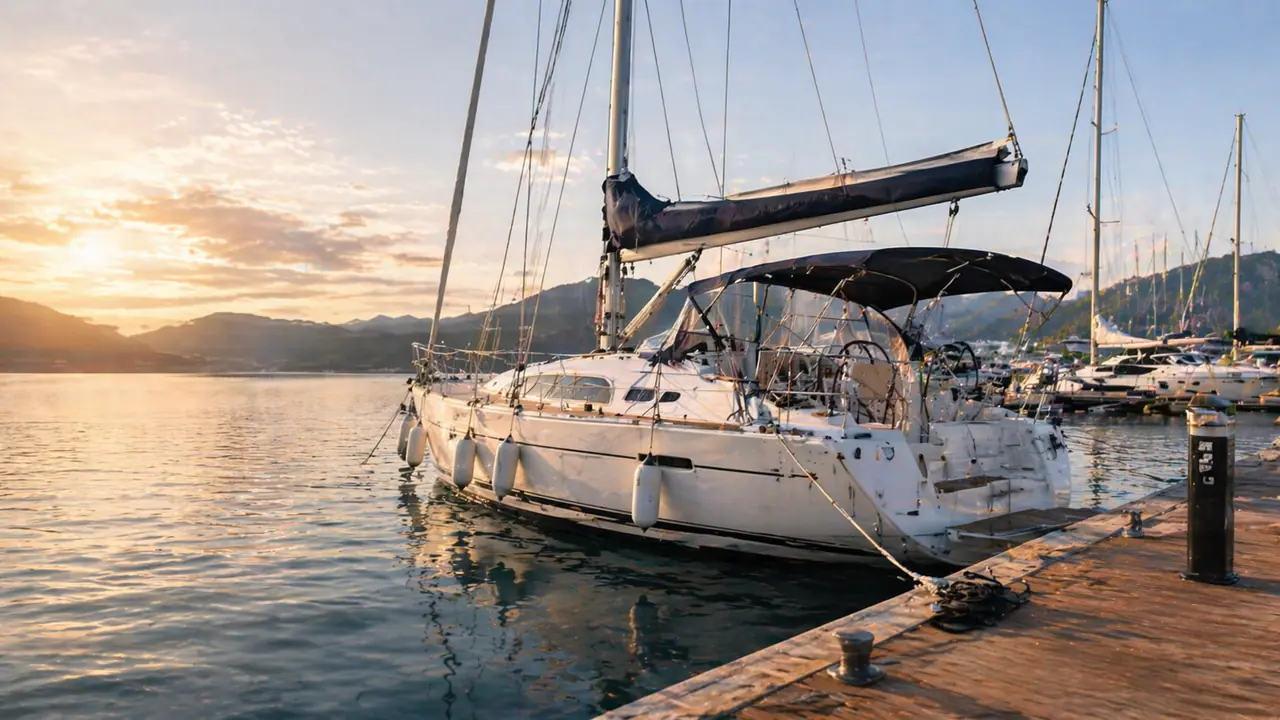
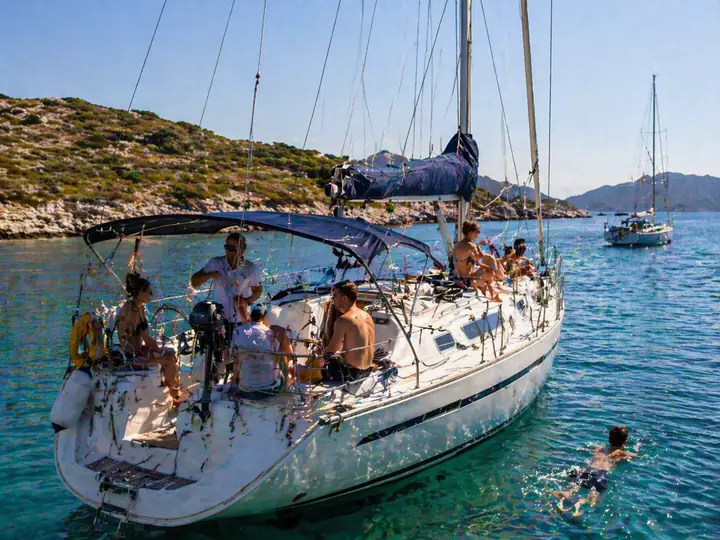
Training takes place on four cruising yachts owned by the school. We prepare the boats ourselves for each season, so technical condition, equipment and safety do not depend on a random charter company.
Permanent bases
Turkey and Greece are the school’s main sailing areas. With visa‑free entry for many nationalities, mild weather and predictable logistics, we know the routes, marinas and seasonal features of these locations very well.
A team, not just one coach
The instructors form a team with many years of teaching experience. The programme does not depend on one person’s availability – each group is led by a trained skipper‑mentor.
Our own teaching method
In addition to IYT and RYA materials, we have developed our own study guides for use during the training cruise. They help even first‑timers prepare calmly for the exam.
Fixed schedule groups
Courses start on fixed dates, not only after a group is fully booked. This is convenient for those who plan holidays, flights and preparation well in advance.
Continuation after the course
After receiving the certificate, students can go on their first charter with a discount, join the club, regattas and training passages. The school does not disappear after the exam.
Detailed instructor profiles – miles, races, yacht classes and personal stories – are available on a separate page.
See the instructor team →How practice from day one helps a future skipper
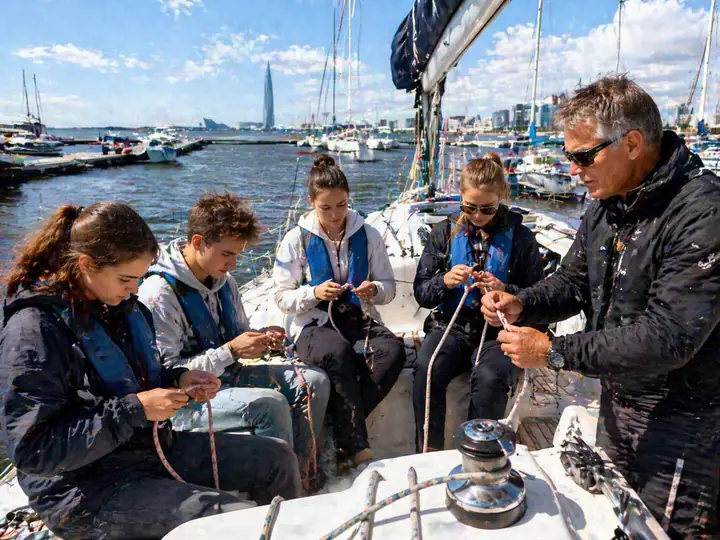
Practice from the first day is not just a nice description. It builds consistent behaviour on board. The student immediately sees how theory turns into actions: preparing the yacht, leaving the marina, assigning roles, working with sails and mooring.
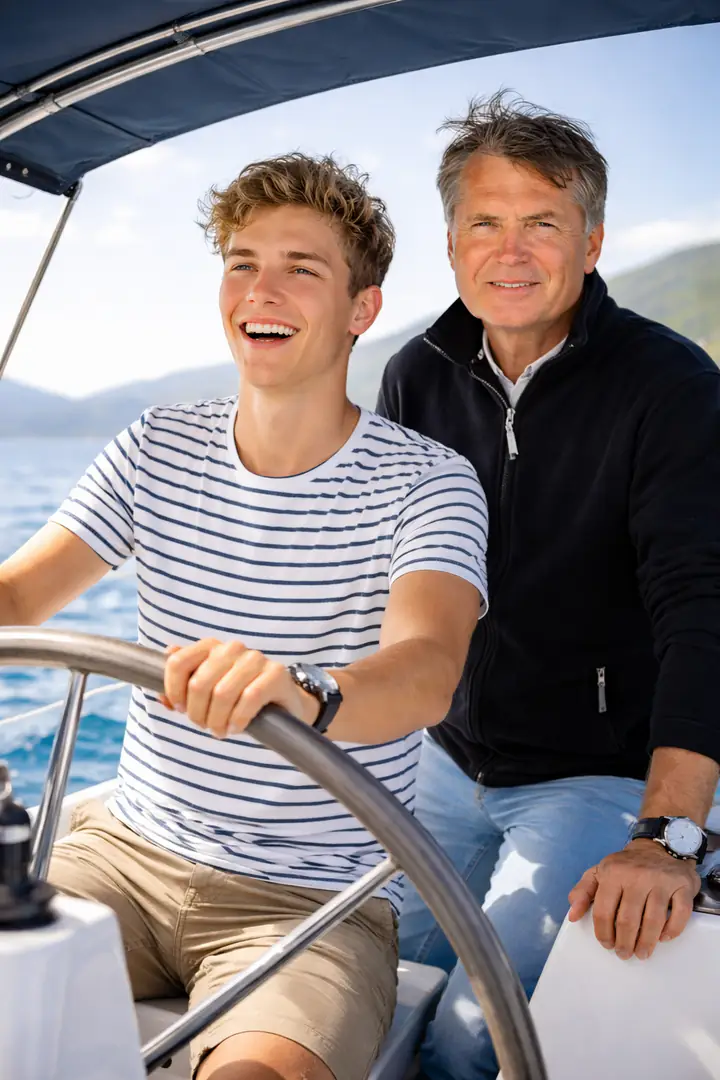
We have refined the course structure over many years and arrived at a simple rule: during the training cruise, every student takes turns performing the skipper’s tasks. The person learns to make decisions independently – mooring, plotting passages, reacting to wind and conditions on the water. By the end of the week, they have not only learned how it is done, but have actually tried it themselves.
-
1
Theory immediately becomes practice
After each topic, we reinforce it immediately with mooring, manoeuvring or a crossing. That way knowledge turns into skill faster.
-
2
Our own teaching materials
In addition to IYT and RYA resources, we have internal study notes adapted for use during the training cruise.
-
3
95% pass the exam on the first attempt
This result comes from thorough preparation: the instructor monitors each student throughout the week and closes any gaps before the exam.
-
4
Every student tries the skipper role
Even in non‑standard situations. This removes the main fear of beginners: “what if something goes wrong during a charter?”
The detailed structure of the training cruise and daily schedule are described on the course page.
How the practical course works →Where practice takes place and why training bases matter
The school’s bases are chosen for convenient access and a long sailing season. Visa‑free entry for many nationalities, mild weather and well‑known marinas help you focus on yachting rather than complicated logistics.
Start with theory and club regattas
For those who prefer to begin with theory, familiarisation with the yacht and weekend regattas before moving to the main international course in Turkey.
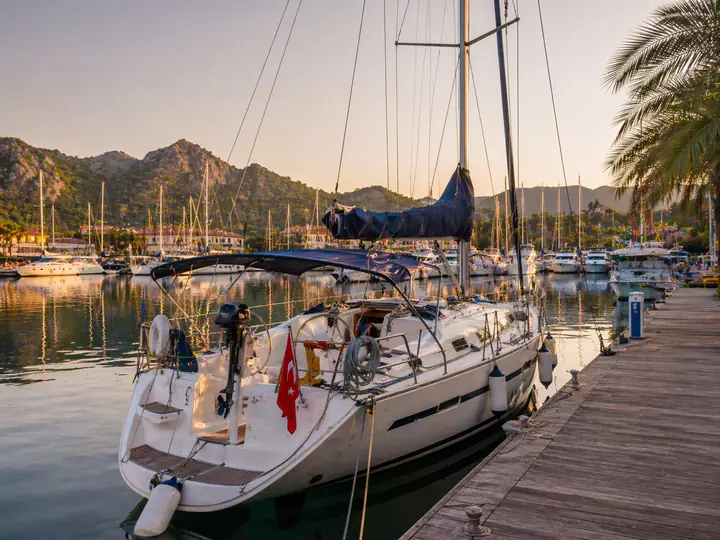 Main course base
Main sailing area
Warm sea, visa‑free entry, comfortable wind for learning and conditions that allow training almost all year round. Here we run the main courses – from Competent Crew to Bareboat Skipper.
Advanced training
The Greek islands are for those who have already completed a basic course and want to go further: island crossings, preparation for YachtMaster and first independent practice on school yachts with a discount.
Three training formats
The school offers three main formats – choice depends on the student’s experience and available time. Detailed structure of each format is described on the course page.
-
7
Intensive
A short intensive for those who already know the sea or have limited time.
-
11
Basic
The most popular format: a comfortable pace for preparing for Bareboat Skipper from scratch.
-
14
Extended
Two weeks of training for those who want maximum practice and confidence.
Why instructor experience matters for safety
The school employs skippers with confirmed sailing experience and teaching practice. They are not “textbook teachers” – they are active captains who do sea passages, take part in races and professionally teach. Detailed biographies, miles, yacht classes and specialisations are better viewed on the separate instructors page. Here the instructors serve as proof of the school’s standards, not as a catalogue of teachers.
On the instructors page you will find full biographies, miles, prizes, yacht classes and personal stories of each teacher.
Open instructors page →How regatta experience confirms the school’s level
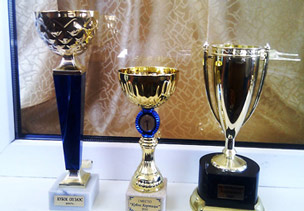
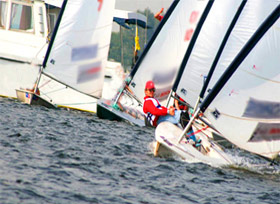
Regatta practice is not a separate activity – it is part of the school’s culture. Instructors take part in races, win prizes and are invited to judging teams. After the course, students can join this active yachting community.
-
2010
Greek Regatta “Alexander the Great”
1st place in the “charter” class – one of the team’s first major international wins.
-
2011 – 2017
Prizewinners of international regattas
Regular podium finishes in races organised by the Turkish, Moscow and Croatian sailing federations.
-
2019
Onega Lake Cup
Top award in that regatta – proof of the school’s captains’ level in challenging northern waters.
-
Regularly
Weekend regatta
Multi‑hour races in any weather, where experience, tactics and team work decide. The school is a multiple prize‑winner.
-
Ongoing
Judging regional and institutional races
Leading coaches are invited to judge competitions thanks to their experience and deep knowledge of sailing rules.
What confirms the school’s experience
The course is not the final point. After receiving the certificate, students can join the school’s club and continue yachting in a familiar environment: charters, regattas, passages and trips – with discounts and in trusted company. That way graduates are not left alone after certification; they have a clear next step – their first charter, a regatta, club practice or an advanced course.
Up to 35% discount on first charter
Graduates can take a yacht for their first independent trip on school yachts – at a special price and with mentor support if they still lack confidence.
Open Sea club
Access to regattas at reduced prices, yachting meetings and joint passages. After the course you are not left alone with new experience – you join a circle of people who already sail.
Regattas and racing events
Students can take part in races under the school flag and try yacht classes that are hard to access alone. This is a short path from “I am learning” to “I already sail with a team”.
Tours and further training
Joint trips across the Mediterranean, Caribbean and Canaries, plus preparation for the next IYT levels – Coastal Skipper and Offshore Skipper.
Where to go after getting to know the school
Instructors team
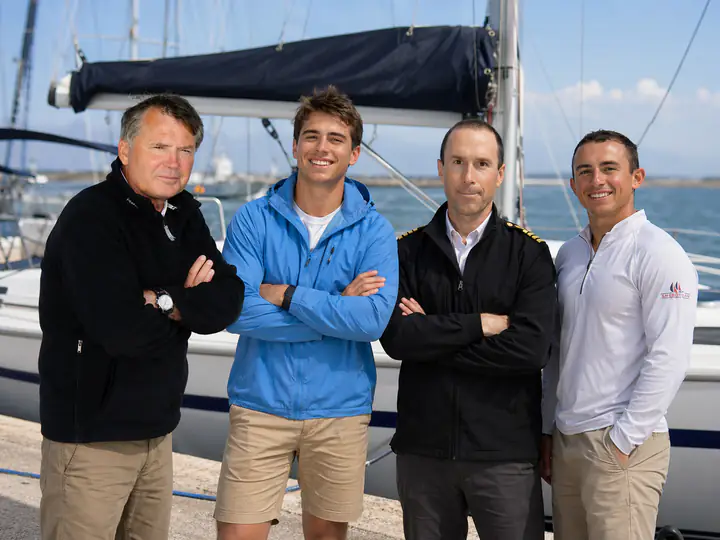
Detailed biographies, miles, yacht classes and experience of each teacher.
Open instructors page →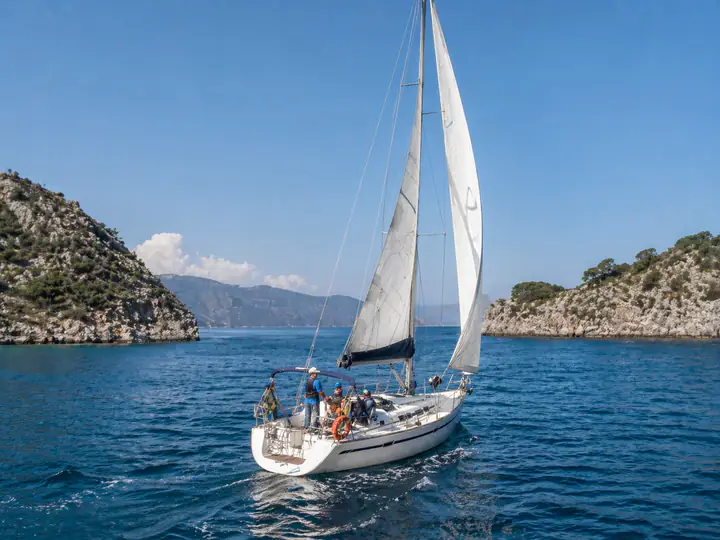
Practical course
How the training cruise works, daily schedule, Bareboat Skipper preparation programme.
Go to courses →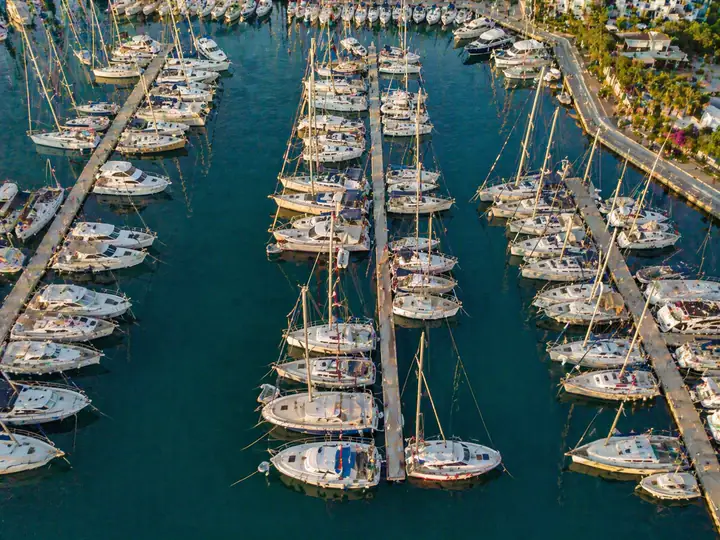
Course prices
Cost of yachting training: course prices and what is included.
Open comparison →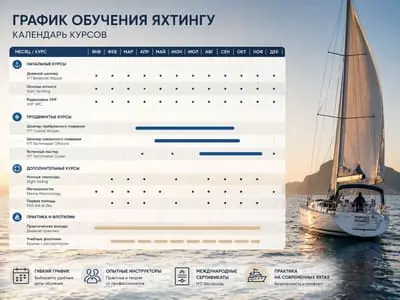
IYT Bareboat Skipper
From your first time at sea to confidently handling a yacht. Practical Bareboat Skipper training.
See schedule →We will help you choose the right training format
We will explain the differences between the 7‑, 11‑ and 14‑day programmes, which base suits your dates better and how to plan your course together with your first charter – without overpaying. No pressure, no commitment – just clear answers to your questions.
Leave a request
We will call you back and answer questions about the school’s approach, programme and upcoming dates.